

Introduction: The Future of Ferry Transportation
Ferries play a vital role in connecting cities, islands, and waterfront communities. As urban populations grow and climate concerns intensify, cities are rethinking how water-based transport can become cleaner, quieter, and more efficient. The discussion around electric vs diesel ferries has therefore become central to the future of sustainable urban mobility.
This shift is not just about technology; it is about reducing pollution, protecting marine ecosystems, and improving the quality of life for people living near waterways. Hyke is helping cities move toward a smarter and more responsible approach to water taxis.
Understanding Diesel Ferries
Diesel ferries have served coastal and riverine routes for decades. They rely on internal combustion engines that burn fossil fuels to generate propulsion. While these ferries offer long operating ranges and established refuelling infrastructure, they also come with high environmental and social costs. Diesel marine engines generate significant noise and vibration, affecting passenger comfort and marine life.
Diesel ferries emit carbon dioxide, nitrogen oxides, sulphur oxides, and fine particulate matter. These emissions contribute directly to climate change and degrade air quality, particularly in densely populated port cities. In addition, fuel handling and engine operation increase the risk of oil leaks and water contamination, posing long-term threats to marine life. As environmental regulations tighten and cities aim for net-zero targets, diesel ferries are increasingly viewed as unsustainable for the future.
Electric Ferries: A cleaner and safer alternative
Electric ferries operate using battery-powered propulsion systems. Instead of burning fuel, they store energy onboard and convert it directly into motion. Advances in battery technology, charging infrastructure, and energy management systems have made electric ferries reliable and scalable for urban transport.
One of the most significant advantages of electric ferries is their zero tailpipe emissions. They produce no exhaust fumes during operation, making them ideal for cities that struggle with air pollution. Electric propulsion systems also require fewer moving parts, which reduces maintenance needs and improves operational efficiency over time. From a passenger perspective, electric ferries offer smoother rides, less vibration, and a noticeably quieter experience.
Emission and Climate Impact: A Clear Comparison
When comparing electric vs diesel ferries from an emissions standpoint, the difference is substantial. Diesel ferries continuously release greenhouse gases and harmful pollutants into the atmosphere. These emissions accumulate over time, worsening climate change and affecting public health.
Electric ferries, on the other hand, generate zero local emissions. When powered by renewable energy sources, their overall carbon footprint drops even further. This makes electric ferries a powerful tool for cities seeking to meet climate commitments while maintaining efficient public transport networks.
Noise Pollution and Its Effect on Marine Life
Noise pollution is often overlooked in transport planning, yet it has serious consequences for both humans and marine ecosystems. Diesel engines generate constant mechanical noise and underwater vibrations that disrupt aquatic life. Fish, dolphins, and other marine species rely on sound for communication, navigation, and feeding.
Electric vessels help minimize marine noise pollution, creating quieter and safer waterways. Their reduced underwater noise helps preserve natural marine behaviour and creates a more pleasant environment for waterfront communities. Quieter ferries also improve passenger comfort and enhance the appeal of water-based public transport.
Waterways Protection
A healthy marine ecosystem depends on clean water, stable habitats, and minimal pollution. Diesel ferries introduce several environmental risks beyond air pollution. Fuel spills, oil residues, and exhaust particles can contaminate water bodies and damage sensitive ecosystems. Over time, these pollutants accumulate, affecting biodiversity and water quality. Reducing diesel emissions is a key goal for cities aiming to meet environmental regulations.
Electric ferries eliminate the risk of fuel leakage and significantly reduce water contamination. Their cleaner operation supports healthier rivers, canals, and coastal areas, making them a more responsible choice for cities that depend on vibrant marine environments. The shift from diesel to electric ferry systems reflects a global move toward cleaner and smarter transportation.
Economic And Operational Benefits
Electric ferries offer long-term economic advantages alongside environmental gains. Electricity costs are generally more stable than fossil fuel prices, and electric systems require less maintenance due to fewer mechanical components. Over a vessel’s lifecycle, these savings can be significant.
In addition, many governments and municipalities provide incentives, grants, and regulatory support for electric transport projects. These factors make electric ferries an increasingly attractive investment for public transport authorities.
Hyke’s Vision For The Future Of Water Mobility
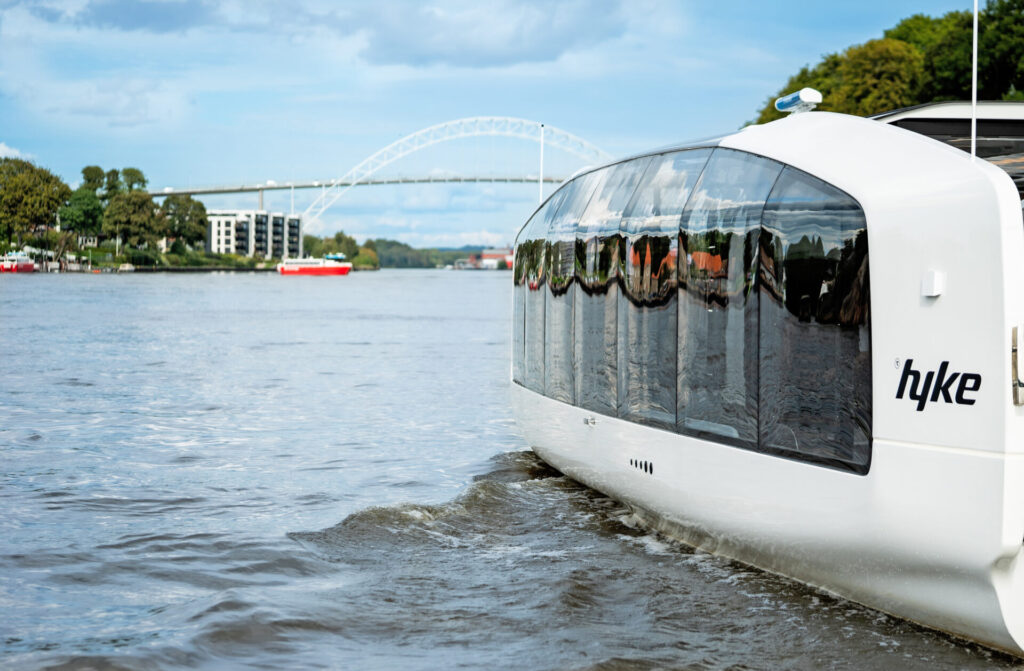
Hyke’s vision is to deliver forward-thinking solutions that address today’s challenges of pollution and congestion. By focusing on electric, waterborne transport, Hyke supports cities in building cleaner, quieter, and more efficient mobility systems. The broader shift from electric vs diesel ferries represents not just a technological upgrade, but a fundamental change in how cities approach sustainable transport. Through projects like the Hyke Shuttle, Hyke is helping shape a future where urban waterways become part of the solution to climate and congestion challenges.
Conclusion
Electric ferries offer clear advantages in emissions reduction, noise control, and environmental protection. They align with global sustainability goals while improving passenger experience and urban livability. As cities look to modernize their transport networks, electric water mobility stands out as a practical and impactful solution. By embracing innovation and collaboration, municipalities and technology providers can work together to create a cleaner, more accessible, and sustainable future for urban mobility. Get in touch with Hyke to transition from diesel to electric ferries and reduce emissions while protecting marine ecosystems.