

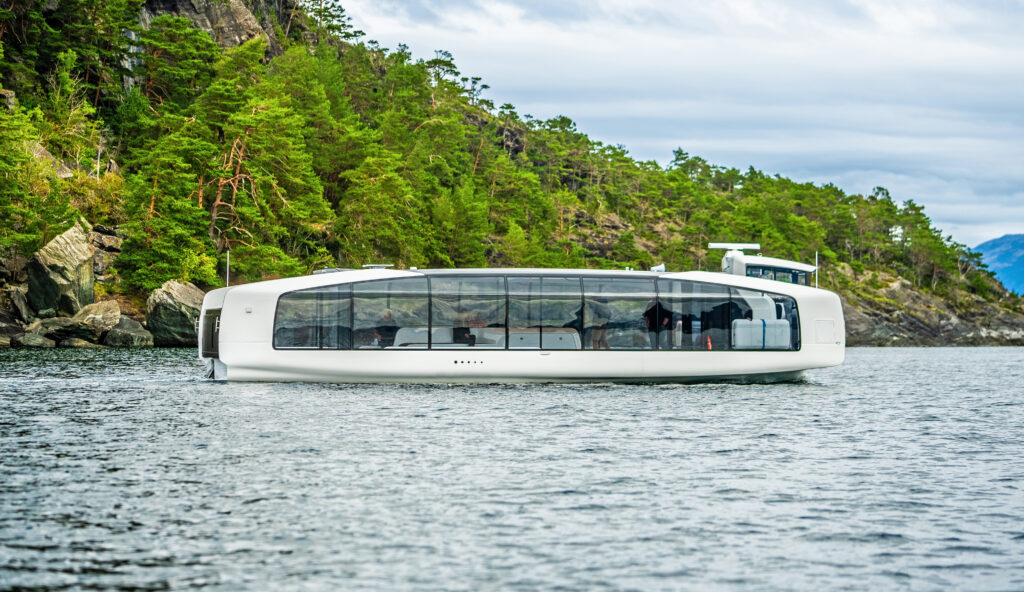
The global maritime industry is undergoing a powerful transformation driven by automation, sustainability, and digital intelligence. At the heart of this change is the electric boat, which is emerging as the ideal foundation for next-generation marine transport systems. With simplified propulsion systems, fewer mechanical components, and seamless digital integration, electric vessels provide the perfect platform for autonomy. When paired with autonomous marine vessel technology, these boats can navigate predefined routes, respond to environmental changes, and operate with minimal human intervention.
This convergence of electrification and autonomy is enabling ports, ferry operators, and coastal cities to rethink the traditional marine transport model. By reducing dependence on fossil fuels and human-driven operations, electric autonomous vessels are creating safer, cleaner, and more efficient waterways. As global pressure mounts to reduce emissions and modernize transport infrastructure, this shift is becoming a strategic priority across the maritime sector.
Autonomy in Maritime Is a Spectrum, Not a Switch
While autonomous ferries capture attention for their “ captainless” capabilities, autonomy in maritime transport is rarely adopted all at once. In reality, the industry is progressing through practical, incremental autonomy levels, each solving a specific operational challenge while remaining within today’s regulatory and safety frameworks.
Ferries are particularly well-suited for this step-by-step adoption because they operate on fixed routes, predictable schedules, and controlled waterways, allowing new technologies to be introduced safely and gradually.
Practical Autonomy Levels in Ferry Operations
1. Autodocking
Autodocking systems automate one of the most precise and risk-prone phases of ferry operations: berthing. Using sensors, GPS positioning, and automated thrust control, vessels can dock with high accuracy and consistency.
Why it matters:
- Reduces human error during docking
- Improves passenger safety and comfort
- Increases port efficiency
- Lowers wear on vessels and infrastructure
This level of autonomy is already operating today across multiple ferry systems worldwide.
2. Virtual Cable Ferry
In a virtual cable ferry setup, the vessel follows a predefined digital route rather than a physical cable. While navigation along the route is automated, the crew remains fully responsible for safety, situational awareness, and decision-making.
Why it matters:
- Ensures route precision
- Reduces navigational workload
- Improves schedule reliability
- Maintains full human responsibility
This model is particularly effective for short crossings and urban waterways.
3. Autocrossing
Autocrossing introduces automated speed control and route optimization between terminals. The system continuously adjusts vessel behavior based on traffic, weather, and water conditions, while the crew supervises overall safety.
Why it matters:
- Improves energy efficiency
- Reduces operator fatigue
- Optimizes transit time
- Enhances consistency across crossings
This level represents a significant step toward autonomy while maintaining strong human oversight.
4. Autonomous Navigation with Oversight
This is the most advanced form of autonomy currently under controlled deployment. The vessel handles collision avoidance, route decisions, and self-sailing, while being monitored by onboard crew or remote operators.
Why it matters:
- Enables remote-supervised operations
- Enhances marine safety through continuous monitoring
- Requires strict regulatory approval
This level is not yet common, but ongoing trials are shaping future standards.
Autonomous Ferry Operations Explained
In ferry transportation, the electric boat plays a crucial role in enabling the autonomous ferry concept. Ferries typically operate on fixed routes, predictable schedules, and controlled waterways, making them ideal candidates for automation. Autonomous ferry systems rely on advanced navigation software, sensor arrays, and real-time data processing to ensure smooth and precise operations.
With automated operations, tasks such as speed control, docking, route correction, and collision avoidance are handled entirely by onboard systems. High-resolution cameras, radar, LiDAR, GPS, and AIS data work together to create a comprehensive real-time understanding of the vessel’s surroundings. These systems continuously analyze traffic patterns, water conditions, and navigational hazards, allowing the ferry to respond instantly to any changes.
While these vessels operate without a traditional captain onboard, human supervisors remain actively involved through remote monitoring centers. Operators track performance, monitor safety parameters, and can intervene when required. This hybrid operational model ensures that autonomy is supported by human judgment, significantly enhancing operational reliability and regulatory compliance.
Automated Operations and Smart Control Systems
A major advantage of using an electric boat is the seamless integration of automated operations. Electric propulsion systems allow precise control over acceleration, deceleration, and steering, which is essential for autonomous navigation. Unlike combustion engines, electric motors deliver immediate torque and highly responsive maneuvering, enabling smoother docking, safer obstacle avoidance, and greater positional accuracy.
Combined with AI-based route planning and sensor fusion, these smart control systems constantly evaluate environmental data, vessel positioning, and system health. Machine learning algorithms continuously optimize navigation strategies, improving fuel efficiency, route timing, and passenger comfort. Over time, these systems become increasingly intelligent, adapting to local water conditions, traffic behavior, and port infrastructure.
The integration of automation also reduces crew fatigue, operational errors, and maintenance complexity. With fewer mechanical parts and digitally controlled propulsion, electric autonomous vessels experience lower wear and tear, resulting in improved uptime and longer service intervals.
Enhancing Marine Safety Through Autonomy
Safety remains a central focus in maritime transport, and the electric boat contributes significantly to improved marine safety standards. Autonomous systems continuously assess their surroundings using radar, cameras, ultrasonic sensors, and satellite positioning. These systems maintain constant vigilance, detecting vessels, obstacles, floating debris, weather changes, and navigation markers.
When deployed on autonomous marine vessels, these technologies dramatically reduce collision risks by predicting potential conflicts before they occur. Automated decision-making ensures compliance with international navigation rules, safe speed adjustments, and accurate vessel positioning. Emergency response protocols are also built into these systems, enabling immediate corrective action in case of unexpected situations.
Furthermore, real-time system diagnostics continuously monitor propulsion, battery health, navigation systems, and communication links. Any anomaly triggers instant alerts, ensuring preventive action can be taken before safety is compromised. This proactive safety approach significantly enhances reliability, passenger confidence, and regulatory trust.
Environmental and Operational Benefits
Beyond automation, the electric boat supports global sustainability goals by significantly reducing emissions, fuel consumption, and noise pollution. By eliminating diesel engines, these vessels prevent the release of harmful pollutants such as nitrogen oxides, particulate matter, and greenhouse gases, making waterways cleaner and healthier.
This environmental advantage makes electric vessels especially suitable for autonomous ferry services in urban waterways, heritage zones, and ecologically sensitive regions. Quieter operations also enhance passenger comfort while protecting aquatic ecosystems and coastal communities from noise disturbances.
From an operational standpoint, electric boats offer lower running costs due to reduced fuel expenses and simplified maintenance. Predictable energy usage, combined with smart charging strategies, enables optimized operational planning. Reduced dependency on fossil fuels further shields operators from price volatility, strengthening long-term economic viability.
The Future of Electric and Autonomous Marine Transport
Looking ahead, the electric boat will continue to shape the evolution of autonomous marine vessels as technology matures and regulations adapt. Advances in battery efficiency, lightweight materials, remote diagnostics, and AI-driven navigation will expand operational range, reliability, and system intelligence.
Future applications will extend beyond passenger ferries to include logistics, port operations, industrial transport, surveillance, and environmental monitoring. Autonomous electric vessels will integrate seamlessly with smart ports, digital traffic management systems, and urban mobility networks, creating interconnected marine ecosystems.
As regulatory frameworks evolve and public acceptance grows, electric autonomous vessels will become a cornerstone of modern maritime infrastructure. This transformation will redefine how cities utilize waterways, offering sustainable, efficient, and scalable transport solutions.
Conclusion
The electric boat represents more than just a shift in propulsion; it is the foundation of a smarter, cleaner, and safer maritime future. By enabling automated operations and supporting the growth of the autonomous ferry ecosystem, electric marine technology is setting new standards for efficiency, sustainability, and marine safety across the global marine industry.
As innovation accelerates, autonomous electric vessels will continue to reshape urban mobility, port operations, and coastal transport networks, unlocking new possibilities for water-based travel. The transition toward intelligent, zero-emission marine transport is no longer a distant vision; it is actively shaping the future of global maritime mobility.
Explore the future of electric and autonomous ferries with Hyke Ferries. Contact Hyke.