

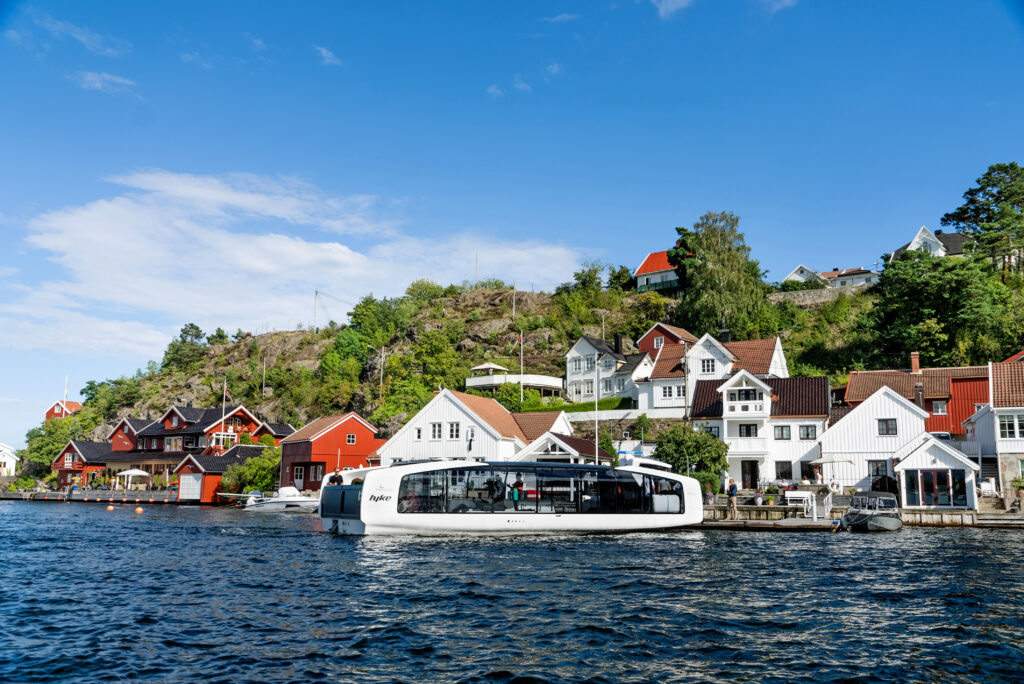
Helsinki sits on a coastline dotted with over 300 islands. For decades, that geography shaped how people got around, from bridges to buses, and the occasional ferry. But a shift is happening on the water. Autonomous electric ferries in Helsinki are turning the city’s waterways into a practical, zero-emission commute route. And it’s working.
Why Helsinki Is the Right Place for This
Helsinki’s layout makes road travel tricky. Bridges get congested, tunnels only stretch so far, and islands stay cut off from the mainland for much of the day. That’s where urban water transport in Helsinki starts to make real sense.
The city already has a culture of multimodal travel; people mix bikes, trams, and buses without thinking twice. Adding electric ferries to that mix isn’t a stretch. It’s a natural next step.
Helsinki also has a firm carbon-neutrality goal set for 2035. The city’s aging diesel ferry fleet, some vessels pushing 50 to 60 years old, runs directly against that target. Replacing them with electric ferries solves two problems at once: cutting emissions and retiring outdated infrastructure.
From Pilot to Reality: What’s Already Happened
Helsinki is emerging as a key testing ground for autonomous electric ferry technology, with pilot programs exploring how these vessels can integrate into public transport networks. Routes connecting the city center to destinations like Suomenlinna highlight the potential for low-emission, on-demand water transit.
While most current systems still operate with remote oversight or onboard safety measures, rapid advances in sensors, navigation, and regulation are steadily moving the industry closer to fully autonomous operations.
Looking ahead, Helsinki and other Nordic cities are expected to expand pilot fleets and scale deployments over the coming years, setting the foundation for broader adoption of autonomous passenger ferries across Europe.
Also Read: Electric Ferries and Smart Cities: Integrating Water Transport into Public Transit
How Autonomous Ferries Work in Urban Transport
It comes down to layered sensing and real-time decision-making. These aren’t remote-controlled boats; they navigate independently using a combination of LiDAR, radar, thermal cameras, and GPS.
The AI on board processes all that data continuously. It spots obstacles, predicts potential collisions up to 30 seconds ahead, and adjusts the route accordingly. Docking happens automatically, even at night or in choppy conditions.
Remote operators at a 24/7 control center monitor every vessel. If something needs human input, they can step in within two seconds. It’s a safety net, not a steering wheel.
The vessels run on lithium-iron-phosphate batteries with a 500kWh capacity. They charge through inductive shore pads, reaching 80% charge in about 30 minutes.
The Environmental Case for Urban Ferry Electrification in Helsinki
Depending on the vessel’s size, engine efficiency, and number of people, diesel ferries emit between 20 and 150 grams of CO2 per passenger-kilometer. Electric ferries emit zero emissions.
Across 50 routes, that could eliminate over 5,000 tons of CO2 annually, which is a meaningful contribution to urban ferry electrification in Helsinki and the city’s broader climate commitments.
Noise is another factor worth noting. Electric ferries run significantly quieter than diesel vessels, which matters both for passengers and for the marine ecosystem below. Baltic herring and other sea life benefit from the reduction in underwater noise pollution.
At the same time, Finland’s battery recycling system is performing well. By late 2025, the country reached about a 50% collection rate for portable batteries, which is above the EU’s 45% target.
This strong foundation, along with continued investments in recycling and circular economy systems, gives Finland a good opportunity to support and expand the use of electric ferries in the future.
Also Read: Can Electric Ferries Reduce Pressure on Urban Bridges and Road Networks?
What It Means for Everyday Commuters
A commute that used to mean sitting in traffic on a bridge can now be a 15 to 20-minute water crossing, often faster and genuinely more pleasant.
Routes like Ruoholahti to Hoglandet, or the city center to Suomenlinna, become quick, reliable hops instead of drawn-out detours. Ferries integrate with Helsinki’s HSL app, so you can plan a ferry-to-tram-to-bike journey in one place, with live arrival times across every leg.
Cyclists get a particular benefit. The ferries carry up to 20 bikes, offering a weather-protected connection to routes that would otherwise require a long road detour.
Conclusion
Autonomous electric ferries in Helsinki represent a practical response to real urban challenges. And the best part is that the technology is already in operation.
For commuters, it means faster and quieter crossings that connect to the broader transit network. For the city, it means progress toward carbon neutrality without sacrificing reliability or access. And for other coastal cities watching closely, Helsinki is offering a working model.