

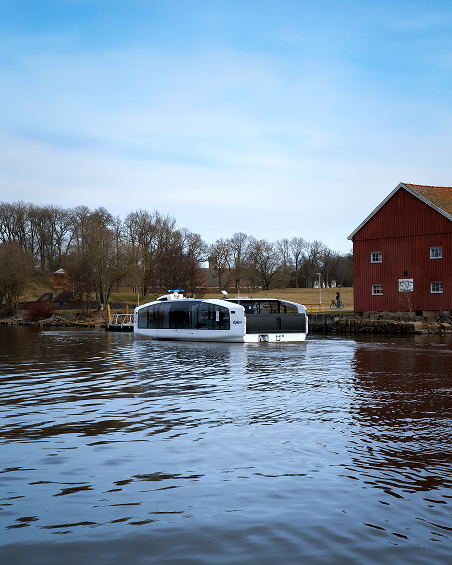
Global cities are confronting environmental crises, forcing leaders to rethink transportation and prioritize technologies like electric boats and ferries for cleaner commuting. Fossil-fuel-powered ferries emit greenhouse gases and pollutants that affect air quality, aquatic life, and public health in coastal urban zones. Electric ferries offer a transformative solution by replacing diesel propulsion with battery-powered systems that drastically reduce carbon and noise pollution. This shift represents not only an environmental win but also an economic and public health improvement for waterfront cities worldwide. These environmental benefits of electric ferries reach well beyond cleaner air, because quiet, zero-emission crossings also protect marine habitats and the health of people who live and work along the water.
Understanding the Environmental Toll of Conventional Marine Transport
Traditional ferries rely on marine diesel engines that release large quantities of carbon dioxide, nitrogen oxides, and harmful particulate matter. These emissions contribute to smog formation, acid rain, and long-term climate change that threatens both natural ecosystems and human settlements. Marine fuel spills and engine oil leakage further pollute coastal waters, damaging biodiversity and making water unsafe for local communities. Heavy ferry traffic also contributes to shoreline erosion, undersea noise pollution, and rising temperatures in heavily trafficked aquatic corridors. Seen against this damage, the case for sustainable ferry travel becomes clear, since every diesel vessel replaced removes a steady source of air, water, and noise pollution from the harbor.
Electric Ferries: A Cleaner Alternative for Modern Cities
Electric boats and ferries run on batteries or hybrid systems that eliminate tailpipe emissions, offering an immediate reduction in air pollution and toxins. Without diesel engines, electric ferries emit zero sulfur dioxide or carbon monoxide, drastically improving the quality of coastal air. Unlike fuel-based systems, electric propulsion generates less vibration and underwater noise, reducing its impact on marine species and migration. Electric ferries are particularly effective in high-traffic waterways, where they replace noisy, smoky vessels with whisper-quiet, emission-free alternatives. Expanding sustainable transit requires smart infrastructure, renewable energy integration, and policy support from both local and national governments. Taken together, these qualities are the core environmental benefits of electric ferries, delivering measurable cuts in air pollution, underwater noise, and carbon for the communities they serve.
Battery Technology and Sustainable Energy Synergy
Modern electric ferries utilize lithium-ion batteries, which are increasingly paired with solar, wind, or hydroelectric energy sources for recharging. This integration supports a closed-loop energy system where ferry operations do not contribute to fossil fuel consumption or global emissions. Pairing batteries with hydropower, wind, and solar is what makes sustainable ferry travel genuinely low-carbon from the moment of charging to the end of the route.
As battery capacity increases, electric ferries are now able to serve longer routes with higher passenger capacities and minimal recharge interruptions. Innovations in battery tech, automation, and shared transport platforms are accelerating the transition to widespread green mobility adoption. Longer ranges and cleaner charging are part of the wider initiatives promoting sustainable ferry travel now visible across Scandinavia, including the routes covered in our overview of Norway’s electric ferries and renewable energy.
Cleaner Water and Healthier Marine Life
Switching to electric ferries drastically reduces the contamination of water bodies from oil, antifreeze, or heavy metal runoff. Cleaner waterways lead to healthier aquatic ecosystems, increasing fish populations and improving livelihoods for communities dependent on marine resources. Low-noise electric propulsion prevents the disorientation of marine animals caused by engine vibrations and propeller cavitation. Increased water quality also encourages sustainable tourism, swimming, and recreation near ferry terminals, benefiting local economies and public health. Cities embracing green mobility see lower pollution levels, healthier citizens, and more sustainable urban development over the long term. Cleaner harbors and healthier marine life are exactly the outcomes that make sustainable ferry travel appealing to residents, tourism operators, and city planners alike.
Hyke: Pioneering Smart, Clean Water Mobility
One standout in this space is Hyke, a company that designs fully electric ferries with smart autonomy and seamless city integration. Hyke’s compact electric ferry model is ideal for short urban routes, connecting communities while producing zero operational emissions. Equipped with CCS-compatible charging systems and solar-ready roofs, Hyke vessels help cities meet clean energy and transport goals simultaneously. They demonstrate how cutting-edge technology and environmental stewardship can co-exist in modern ferry design and deployment. Based in Oslo and Fredrikstad, Norway, and recognized with a Gussies Electric Boat Award, Hyke turns the environmental benefits of electric ferries into a deployable product, and you can see the technology in detail on its CCS-charged electric shuttle.
Economic and Policy Benefits of Going Electric
While electric ferries may require higher upfront investment, they offer long-term cost savings in fuel, maintenance, and health-related damages. Governments are increasingly offering subsidies and incentives for electric ferry adoption to meet emissions targets under international agreements. Policy frameworks that favor clean maritime mobility will accelerate global adoption and create a competitive market for electric ferry innovation. Port authorities, private operators, and municipalities must collaborate to install electric charging docks and upgrade coastal infrastructure accordingly. These incentives are part of broader initiatives promoting sustainable ferry travel, and operators planning fleets can study how high-power EV charging for ferry fleets keeps costs predictable as routes scale.
Public Support and Climate Action Alignment
Citizens are more likely to support a city’s green agenda when they experience the direct benefits of improved air and water quality. Switching to electric ferries for daily commuting allows riders to contribute personally to reducing their carbon footprint. As global climate awareness grows, public transportation preferences will shift toward quieter, cleaner options that respect ecological boundaries. Educational campaigns and pilot programs can ease the transition and normalize sustainable ferry use in metropolitan waterfronts. Riders themselves drive sustainable ferry travel forward, because steady demand for clean crossings gives cities the confidence to expand zero-emission service.
Are there any initiatives promoting sustainable ferry travel?
Yes. Many initiatives promoting sustainable ferry travel now operate at the city, national, and regional levels. Norway leads by requiring low- and zero-emission vessels in many public ferry tenders and by funding shared charging, while the European Union supports cleaner waterborne transport through the European Green Deal, and the UK through ZEVI2 – UK. Industry contributes too, with companies such as Hyke supplying CCS-compatible electric ferries that make sustainable ferry travel practical for operators and cities.
How can passengers contribute to sustainable ferry travel?
Passengers can contribute to sustainable ferry travel by choosing electric or hybrid routes over diesel ones whenever they are offered. Pairing a ferry trip with walking, cycling, or public transit lowers the footprint of each journey, and traveling at off-peak times helps operators run vessels efficiently. Supporting pilot programs and asking local authorities for more zero-emission routes also pushes cities to expand the environmental benefits of electric ferries across their networks.
Conclusion: The Future Floats on Cleaner Waters
The switch to electric ferries represents more than a transportation upgrade. It is a major stride toward a sustainable and resilient future. By adopting electric boats and ferries, cities reclaim control over air quality, aquatic life, and long-term environmental preservation. From Oslo to Hyke, innovators are proving that marine mobility can be efficient, beautiful, and responsible all at once. Waterways have always connected civilizations, and now they can also connect us to a cleaner, greener world through electric transformation. Choosing electric crossings locks in the long-term environmental benefits of electric ferries, turning everyday commutes into a quiet, measurable contribution to cleaner urban waterways.
Ready to Set Sail Sustainably? Ditch the diesel and ride with purpose. Explore how electric ferry technology like Hyke is changing water transport for good. Learn More.