

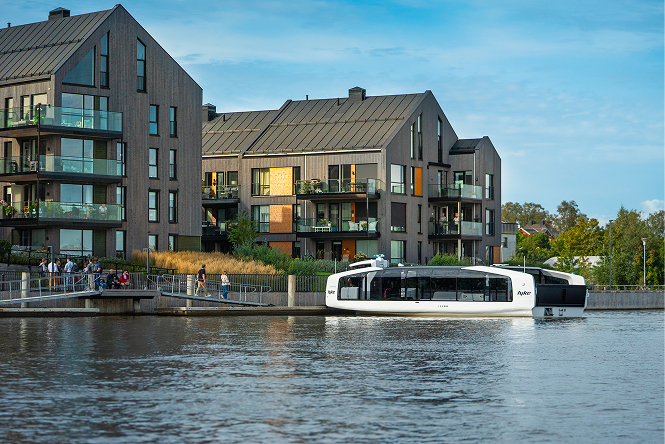
The hustle and bustle of coastal cities often includes the rhythmic churn of ferry engines and the hum of diesel-powered boats slicing through waterways, but a quiet revolution is underway, literally. As more cities adopt electric ferries, the landscape of marine and urban environments is beginning to shift. This move toward quieter, cleaner transit isn’t just a trend; it is a transformative solution to some of the most pressing environmental challenges facing waterfront communities today. At the heart of this shift is the electric boat motor and the electric propulsion system for ferries, technologies that are reshaping how cities move on water.
The Invisible Cost of Traditional Ferries
Conventional ferries, while vital to urban mobility, come with environmental trade-offs. Diesel engines emit nitrogen oxides, sulphur dioxide, and particulate matter into both the atmosphere and the water, contributing to poor air quality, acidifying marine ecosystems, and posing long-term health risks to urban populations. On top of that, marine vessels powered by combustion engines are notorious for producing underwater noise pollution that disrupts the migratory patterns, feeding behaviours, and communication of species such as dolphins, whales, and fish. In bustling harbours, the cumulative effect of dozens or even hundreds of vessels results in a marine soundscape that is anything but natural. Underwater noise reduction on electric ferries is one of the most significant, yet underreported, environmental benefits of switching to an electric propulsion system for ferries.
Enter Electric Ferries: How the Electric Propulsion System for Ferries Delivers a Cleaner Alternative
Electric ferries offer a compelling alternative. By replacing traditional engines with battery-powered propulsion systems, these vessels eliminate tailpipe emissions entirely, and their quiet operation drastically reduces noise pollution above and below the waterline. At the heart of this innovation lies the electric boat motor, a technology that is as efficient as it is transformative. A modern electric propulsion system for ferries converts electrical energy directly into mechanical motion, producing near-zero acoustic output compared with combustion engines, a key driver of underwater noise reduction on electric ferries.
Marine Ecosystems Reborn
Do electric boat motors protect marine wildlife?
Yes. Electric boat motors protect marine wildlife by dramatically reducing underwater noise pollution and eliminating fuel spills. Research in Scandinavian ports where electric ferries operate shows that fish populations near terminals are less disturbed, and marine mammals that previously avoided busy shipping lanes are slowly returning.
One of the most significant benefits of electrifying ferries is the relief it brings to marine ecosystems. Traditional engines create constant, low-frequency noise that interferes with the sonar used by many marine animals, while electric ferries glide through the water with minimal acoustic disruption, allowing aquatic life to thrive in a more natural environment. Underwater noise reduction from electric ferries is estimated to lower ambient port noise by 10 to 15 dB, comparable to the difference between a busy street and a quiet library. In places where electric ferries have already been adopted, such as parts of Scandinavia and Canada, researchers are beginning to see positive effects: fish populations near ports are less disturbed, mammals that once avoided busy shipping lanes are slowly returning, and coral reefs, often sensitive to water and noise pollution, stand a better chance at long-term survival.
A Breath of Fresh Air in Cities
How quiet are electric ferries compared to diesel?
Electric ferries are typically 10 to 15 decibels quieter than diesel-powered equivalents at cruising speed. Passengers experience a near-silent crossing, and communities near waterways report measurably lower ambient noise levels after electric ferry adoption, a quality-of-life benefit rarely captured in emissions statistics alone.
The urban impact of ferry electrification is equally compelling. In waterfront cities, ferries often operate close to residential and commercial zones where diesel emissions contribute to smog, respiratory problems, and general urban grime. Transitioning to electric models can significantly cut airborne pollutants, improving the quality of life for city dwellers. Furthermore, the near-silent operation of an electric ferry transforms the ambiance of coastal areas: tourist spots, dining establishments, and public spaces near docks become more enjoyable without the constant drone of engines, enhancing public health while supporting local economies by attracting more visitors to serene waterfronts.
The Role of the Electric Boat Motor: How Electric Boat Motors Work
Electric boat motors work by converting stored electrical energy from onboard battery packs into rotational mechanical force via electromagnetic induction, with no combustion, no exhaust, and no oil system. The propeller is driven directly by the motor, which is regulated by a power control unit that adjusts output in real time based on vessel speed and load.
At the core of these benefits is the electric boat motor. Unlike internal combustion engines, which rely on burning fossil fuels, electric motors convert electrical energy directly into mechanical motion, making them more efficient, less polluting, and quieter. Innovations in battery storage and motor design have significantly extended the range and speed of electric ferries, making them suitable for both short city commutes and longer regional trips. Battery range for electric ferries on short urban routes typically spans 30 to 60 nautical miles per charge, more than enough for most high-frequency city crossings. These motors also require less maintenance, reducing operational downtime and long-term costs for ferry operators, with the absence of oil changes, exhaust systems, and fuel management meaning fewer chances for leaks and spills. Electric motor maintenance cost vs diesel typically favours electric: data from Norwegian ferry operators suggests electric vessels can reduce maintenance expenditure by 30 to 50% compared with equivalent diesel fleets, while also lowering downtime. These case studies prove that transitioning to electric is not only possible but practical, even in the busiest and most complex transit networks.
Preserving Serenity on the World’s Quiet Rivers with Electric Ferries
While the world’s oceans draw attention, it’s often the quieter rivers that hold a city’s soul. Flowing gently through urban hearts, these waterways deserve thoughtful stewardship, free from fumes, noise, and ecological strain. Electric ferries, like those manufactured by Hyke, offer a seamless blend of innovation and environmental care, making them ideal for modern riverfront mobility. Each of these rivers is a strong candidate for an electric propulsion system for ferries, where underwater noise reduction matters as much as cleaner air. Here’s how some of the calmest rivers in the world can benefit:
- Tagus River – Lisbon, Portugal
The Tagus gracefully weaves through Lisbon, connecting historic neighbourhoods with scenic views of the Atlantic. Ferries here are a common sight, but converting to electric vessels would ensure less pollution across its banks. With Hyke’s compact and solar-ready electric ferries, Lisbon could cut emissions, reduce noise, and enhance commuter comfort, all while keeping the Tagus glistening and alive.
- Kallang River – Singapore
Once bustling with trade boats, Kallang River is now a tranquil urban stretch ideal for recreation and short-distance travel. Its calm nature makes it perfect for silent, electric ferry routes that complement Singapore’s smart city goals. Hyke’s autonomous electric model could connect key points along the river, cleanly, efficiently, and in line with Singapore’s green mobility ambitions.
- Ohio River – United States
The Ohio River flows through several U.S. states and cities, offering both scenic beauty and economic utility. But years of industrial use have left environmental scars. Embracing electric ferry integration, especially from eco-driven innovators like Hyke, could rejuvenate the river. Zero-emission transport here wouldn’t just modernize travel, it would also be a step toward restoring the river’s natural balance.
Overcoming the Challenges
Despite its promise, the shift to electric ferry systems isn’t without hurdles. Infrastructure investments such as high-capacity charging stations at docks are essential, and initial costs of electric ferries and electric boat motors can be higher than their diesel counterparts. However, the long-term savings on fuel and maintenance, combined with environmental incentives, are gradually tipping the scale. When comparing electric motor maintenance cost vs diesel over a 10-year operating window, electric vessels usually come out ahead on total cost of ownership. Public-private partnerships, government subsidies, and international environmental regulations are accelerating the pace of adoption, and as technology improves and economies of scale take effect, the cost barrier is expected to continue dropping.
The Quiet Waters Ahead
The electrification of ferries isn’t just a shift in transportation; it’s a reimagining of how we interact with our cities and natural surroundings. Quieter ports, cleaner air, and revitalised marine life all point to a better, more balanced future. In a world grappling with climate change and urban congestion, embracing innovations like the electric boat motor and the electric propulsion system for ferries is a step toward sustainable coexistence between human development and the natural world. The waters are becoming quieter, and the impact is resoundingly positive.
Navigate Toward a Low-Noise, Low-Carbon Future. Discover how Hyke’s electric propulsion system for ferries improves city life, reduces operational costs, and protects marine habitats through underwater noise reduction. Explore Hyke’s urban mobility solutions and Start Your Journey Now. Start Your Journey Now.