
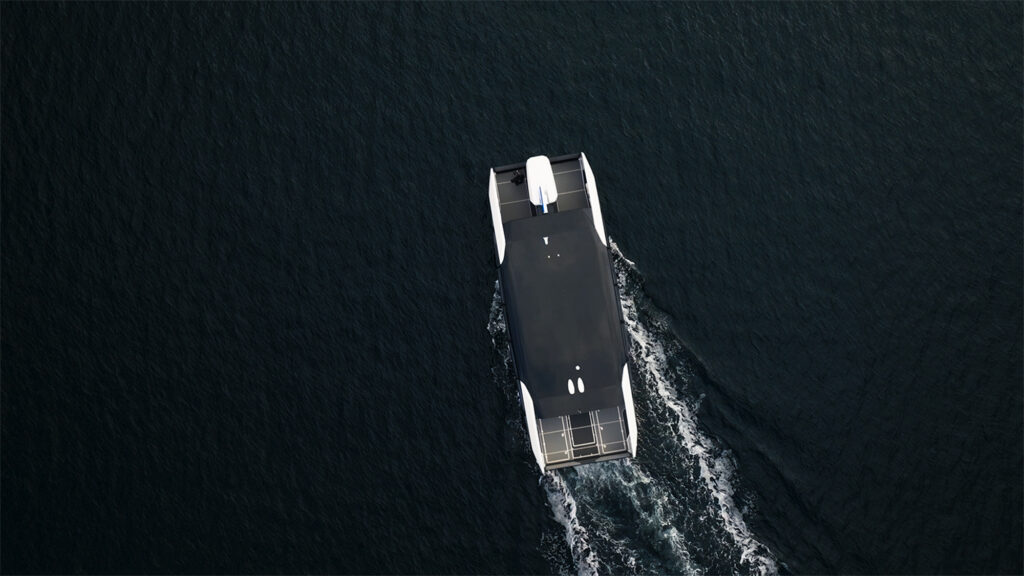
India’s push toward sustainable mobility is no longer limited to roads and railways. Inland waterways are now becoming a key focus area, with the electric passenger ferry emerging as a transformative solution. At the forefront of this shift is Kochi, where the ambitious Water Metro initiative is redefining urban water transport by utilizing clean, efficient, and future-ready technology that aligns with India’s clean energy goals. This shift reflects a broader national strategy to reduce emissions, ease congestion, and unlock the potential of underutilized waterways for public transport.
India’s Shift Toward Sustainable Water Transport
Rapid urbanization and congestion in Indian cities have highlighted the need for alternative transport systems. The electric passenger ferry offers a practical answer by utilizing rivers, backwaters, and canals for daily commuting. Alongside this shift, electric boats are gaining recognition for their low operational costs, minimal noise, and reduced environmental impact. These vessels allow cities to expand transport capacity without acquiring new land, making them especially suitable for densely populated urban regions. Water-based mobility also reduces pressure on road and rail networks while offering a reliable and scalable commuting option.
Kochi Water Metro: A National Milestone
The Kochi Water Metro Project is India’s first fully integrated water-based public transport system. Designed to connect islands and mainland areas, it relies heavily on the electric passenger ferry to provide safe, reliable, and eco-friendly connectivity. This initiative stands as a landmark example of how clean energy principles are being applied in India and can be successfully applied to public transport infrastructure. By combining modern terminals, digital ticketing, and electric vessels, Kochi has demonstrated how waterways can become a seamless extension of urban transit systems rather than a separate mode of travel.
Why Electric Passenger Ferries Make Sense
An electric passenger ferry is ideally suited for short, frequent routes common in urban waterways. Compared to conventional diesel vessels, electric boats offer smoother rides, lower maintenance requirements, and zero direct emissions. These benefits make them a natural fit for modern Water Metro Project implementations across India. Electric propulsion ensures consistent performance, precise maneuverability, and improved passenger comfort, all of which are critical for public transport adoption. Additionally, predictable operating costs help transport authorities plan long-term operations more effectively.
Environmental Impact and Clean Energy Integration
One of the strongest advantages of the electric passenger ferry is its contribution to environmental conservation. By replacing fossil fuels with electricity, often sourced from renewables, these ferries support clean energy initiatives in India. Reduced water pollution, improved air quality, and quieter operations further strengthen their appeal, especially in densely populated coastal cities. The absence of fuel spills and exhaust emissions also protects sensitive aquatic ecosystems, making electric ferries an environmentally responsible solution for inland and coastal waterways alike.
Boosting Urban Mobility and Accessibility
The electric passenger ferry is not just about sustainability; it also enhances accessibility. In Kochi, the Water Metro Project connects remote islands to employment hubs, schools, and healthcare facilities. With electric boats operating on predictable schedules, water transport becomes a dependable part of daily urban life. This connectivity improves social inclusion by ensuring that residents of island communities have the same access to opportunities and services as those on the mainland, reducing travel time and increasing economic participation.
Economic and Social Benefits
Beyond environmental benefits, electric passenger ferries generate long-term economic value. Lower operating and fuel costs, reduced reliance on imported fossil fuels, and new employment opportunities in vessel manufacturing and maintenance align closely with India’s clean energy vision initiative. The success of Kochi’s Water Metro Project demonstrates the scalability of this model. As more cities adopt similar systems, domestic manufacturing, skill development, and technology innovation within the electric mobility sector are expected to accelerate, strengthening India’s maritime ecosystem.
The Future of Electric Ferries in India
As cities look to replicate Kochi’s success, the electric passenger ferry is set to play a central role in India’s transport future. With growing investment in electric boats and policy support for clean energy in India, water-based electric mobility could soon expand to cities like Goa, Mumbai, Kolkata, and Guwahati. Future projects are likely to integrate smart ticketing, real-time tracking, and multimodal connectivity, making electric ferries a core component of urban transport planning across the country.
Conclusion
The Kochi Water Metro has proven that the electric passenger ferry is more than a technological upgrade; it is a sustainable urban mobility solution. By integrating electric boats into a large-scale Water Metro Project, Kochi has set a powerful example for clean energy in India, paving the way for cleaner, smarter, and more inclusive water transport across the nation. As India continues its transition toward low-emission mobility, electric ferries will play a vital role in shaping the future of public transportation.
Learn how electric passenger ferries are transforming India’s waterways. Contact Hyke.