

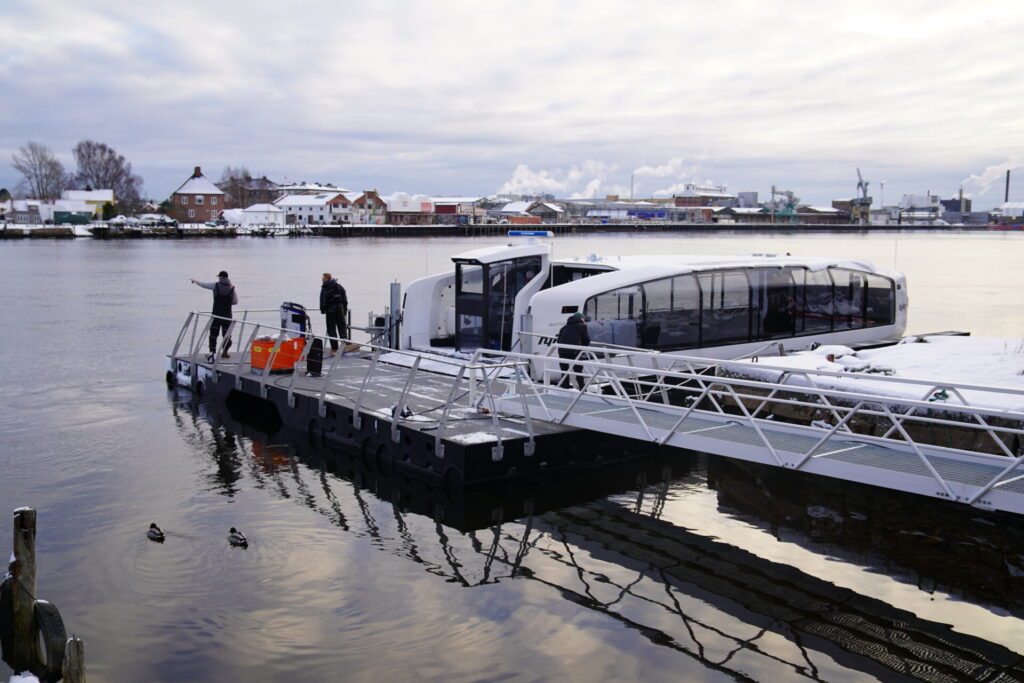
The way we power our ports is changing fast. Harbors around the world are moving away from the roar of diesel engines and clouds of exhaust, and stepping into a cleaner, quieter, and smarter future. Port electrification is leading that charge, and the Port of Amsterdam is one of the best examples of how a major harbor can transform itself into a fully functioning electric vessel ecosystem.
Whether you’re a shipping professional, an environmental enthusiast, or simply curious about how ports are going green, this is a story worth knowing.
What Is Port Electrification and Why Does It Matter?
At its core, port electrification means replacing fossil fuel-powered operations with electric alternatives, from the vessels docking at the quay to the equipment moving cargo across the terminal. It covers everything from shore power connections that let ships plug into the grid to rapid charging stations that top up vessel batteries in a matter of hours.
The importance of this shift is hard to overstate. Ports are among the largest sources of air pollution in coastal cities. Diesel generators on idle ships pump out CO₂, nitrogen oxides, and fine particulates that affect local communities and contribute to climate change. Port electrification tackles these issues head-on, and Amsterdam is showing the world exactly how it’s done.
How Amsterdam Is Building an Electric Vessel Ecosystem
The Port of Amsterdam isn’t just experimenting, it’s building a full ecosystem designed to support electric vessels at scale. That means investing in the infrastructure, the energy supply, and the digital tools needed to make zero-emission shipping a practical reality.
Shore Power: Cutting the Cord on Diesel
One of the most impactful steps Amsterdam has taken is expanding its shore power network. Shore power, sometimes called cold ironing, allows vessels to connect directly to the local electricity grid while docked, completely shutting off their diesel auxiliary engines.
At Passenger Terminal Amsterdam (PTA), a major upgrade completed in early 2025 now delivers up to roughly 12 megawatts of power to cruise ships (depending on vessel load), handling over 100 vessel calls per year. That single installation is expected to eliminate around several thousand tonnes of CO₂ annually. Mandatory use of shore power at PTA kicks in from 2027, giving the industry time to prepare while locking in long-term environmental gains.
For river cruise operators, AEB Amsterdam has developed smart ship-to-shore platforms that match renewable energy supply with vessel demand in real time. This kind of intelligent pairing ensures that the electricity powering these ships comes from genuinely sustainable sources like waste-to-energy plants, rather than grid electricity that might still carry a carbon footprint.
Rapid Charging Stations for Battery-Powered Vessels
As electric vessels become more sophisticated, they need fast and reliable charging stations to keep operations running smoothly. Amsterdam has made significant investments here too.
In 2024, Shell installed a megawatt-class charger at the Energy and Chemicals Terminal Amsterdam (ECTA). This charging station uses solar-backed microgrids and universal connectors, making it compatible with a wide range of vessel types. It can recharge batteries ranging from 0.5 to 5 MWh in just one to two hours.
The Role of Energy Management Systems
Here’s where things get really clever. Deploying charging stations and shore power connections is one thing, but managing the energy flowing through them is another challenge entirely. This is where energy management systems come in.
Amsterdam’s port operators are using AI-driven digital tools to optimise how and when energy is consumed across the terminal. Smart berth allocation systems prioritise electric vessels, reducing idle times and the emissions that come with them. Real-time energy monitoring helps balance supply and demand, ensuring that peak loads don’t overwhelm the grid.
AEB’s smart platforms are a great example of this in action. By matching vessel demand with available renewable supply, these systems help the port trade surplus green energy efficiently.
Sometimes, at the same price as conventional power, a concept Amsterdam calls green for the price of grey. This kind of pricing innovation makes electrification genuinely attractive to operators who might otherwise hesitate at the cost.
A Clear Roadmap to Zero Emissions
Amsterdam’s approach to port electrification isn’t just reactive; it’s built on a forward-looking strategy. The 2022 Clean Shipping Vision sets clear targets: emission-free sea cruises by 2030 and fully zero-emission port shipping by 2050. High-pollution engines have already been banned from the port since 2024, sending a clear signal to the industry.
The Green Port Amsterdam plan, running through 2028, maps out how the port will get there. Key goals include reaching 50 MW of grid capacity by 2027, scaling up hydrogen pilots alongside electrification, and increasing the share of renewable liquid fuels by 25%. Vessels that make the switch early benefit from priority docking. It’s a smart incentive that rewards sustainable choices with real operational advantages.
What Amsterdam is building isn’t just good for the environment; it’s good for business too. Electric vessels produce far less noise and air pollution, making ports better neighbours to the communities around them.
Lower energy costs through green tariffs and efficiency gains are making the economics of electrification increasingly attractive. And as EU regulations tighten around maritime emissions, ports that have already built the infrastructure will be miles ahead of those still relying on diesel.
By 2030, Amsterdam aims to have fully electrified inland shipping and hybrid sea traffic well underway, complemented by hydrogen for longer routes where batteries alone aren’t yet practical.
The combination of shore power, fast charging stations, renewable energy sourcing, and smart energy management systems creates something genuinely transformative. A port ecosystem that doesn’t just accommodate electric vessels but actively thrives because of them.
Conclusion
Port electrification might sound like a distant ambition, but in Amsterdam, it’s already happening. Ships are plugging in, batteries are charging, and emissions are falling. The Port of Amsterdam is proving that preparing harbors for electric vessel ecosystems isn’t a theoretical exercise; it’s a practical, achievable, and increasingly urgent transition that’s well and truly underway.
The tide is turning, and for ports ready to embrace it, the opportunities ahead are enormous.