
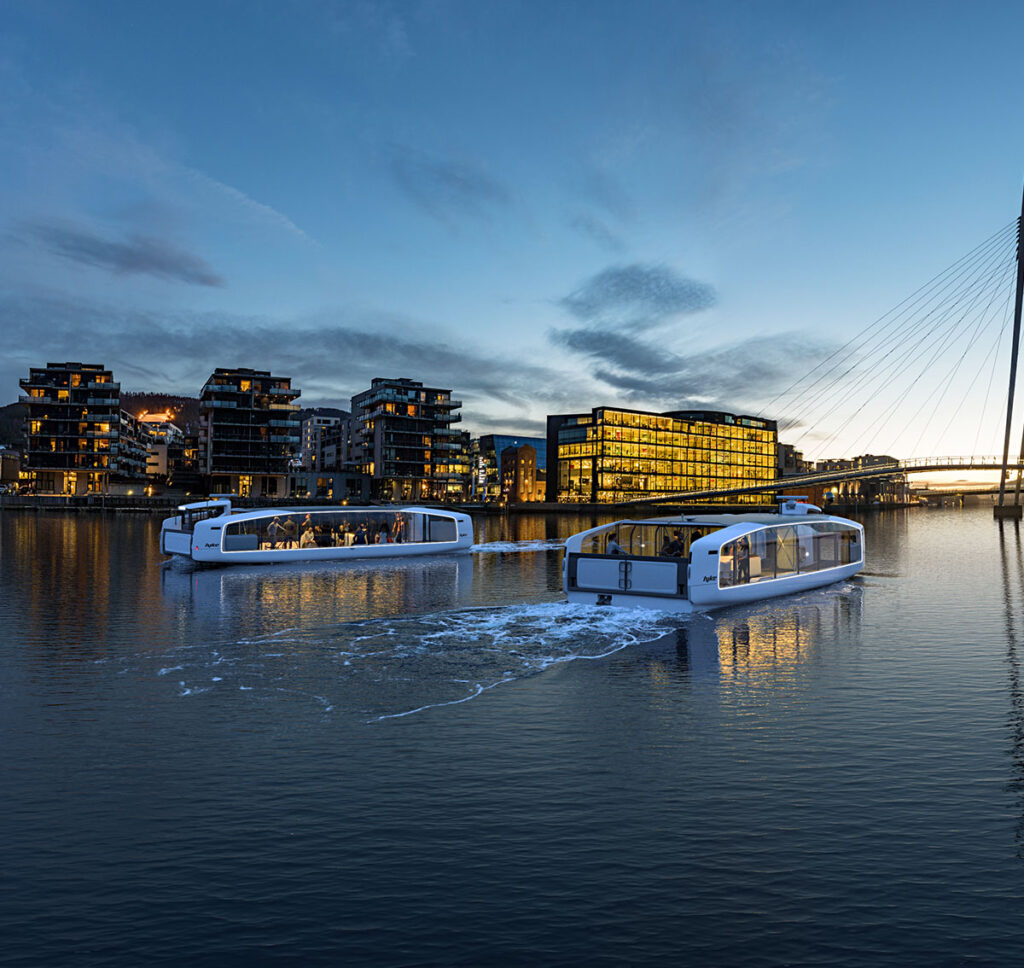
The NEOM Project Saudi Arabia is one of the world’s most ambitious attempts to redefine how cities function, focusing on innovation, sustainability, and next-generation mobility. As part of this transformative vision, water transport plays a vital role in shaping a smarter, cleaner, and more connected urban future. With its futuristic infrastructure and human-centric design, NEOM Project Saudi Arabia demonstrates how coastal cities can leverage marine transportation to support vibrant, efficient, and resilient communities. Within that plan, electric ferries in NEOM could become an important layer of the city’s clean transport network, complementing the kind of urban mobility solutions already reshaping European waterfronts.
Introduction: NEOM’s Vision for the Future
The NEOM Project Saudi Arabia aims to build a network of hyper-connected, zero-emission communities powered by renewable energy, advanced technology, and AI-driven systems. The city is designed as a blueprint for smart Cities in Saudi Arabia, integrating advanced mobility modes that enhance efficiency, comfort, and environmental performance. Among these innovations, water-based transportation stands out as a core pillar supporting NEOM’s unique layout and digital infrastructure. This blueprint puts water at the heart of future mobility that Saudi Arabia is trying to pioneer, treating the sea as a clean, high-capacity transport corridor rather than a barrier.
The Geography of NEOM: Why Water Transport Is Essential
NEOM stretches along the Red Sea coastline, giving it a strong strategic advantage for maritime mobility. Its vast shoreline, natural islands, lagoons, and coastal districts make water transport a practical and efficient option. With major developments including THE LINE, Oxagon, and Sindalah, NEOM’s geography creates opportunities for an interconnected marine transport network. This maritime approach could make electric ferries in NEOM a practical option, as direct water corridors between districts may be shorter and cleaner than equivalent road links.
NEOM’s Sustainability Goals and the Push for Clean Mobility
NEOM has positioned itself as a global leader in sustainable innovation. Water mobility reduces emissions, noise, and congestion, creating a cleaner, healthier environment for residents. The use of electric ferries, solar-assisted vessels, hydrogen-powered systems, and water taxis supports broader sustainability goals. These practices align with global climate commitments and strengthen NEOM’s reputation as a pioneer within smart Cities in Saudi Arabia. As renewable energy infrastructure develops alongside the mobility network, zero-emission ferries in NEOM could support broader ambitions for lower-emission transport.
Water Transport as a Backbone of Smart Urban Mobility
In NEOM, water transport integrates seamlessly with autonomous cars, eVTOLs (electric air taxis), hyperloop systems, and AI-powered public transport. This interconnected mobility ecosystem allows people to move quickly and efficiently across districts. The inclusion of water taxis and high-speed electric ferries reduces road congestion, shortens travel times, and enhances the passenger experience. Water mobility also gives NEOM the flexibility to expand routes and adjust services based on real-time demand.
Enhancing Connectivity Between NEOM’s Major Zones
A major advantage of water transport is its ability to link NEOM’s key zones:
- The Line – a linear, car-free city that benefits from marine access for logistics and tourism.
- Oxagon – the world’s largest floating industrial district, naturally relying on maritime mobility for goods and workforce movement.
- Sindalah – a luxury island destination where ferries and marine taxis enhance tourist experiences and regional connectivity.
Through these connections, NEOM Project creates a fluid, efficient, and sustainable transportation ecosystem that enhances both economic activity and liveability. Linking these districts by water is central to the future mobility that Saudi Arabia is planning, because it keeps freight and passengers off a limited road network.
Boosting Economic Growth Through Maritime Innovation
Maritime innovation is set to become a powerful economic driver for NEOM. electric vessel production, smart ports, autonomous ferry technology, and marine logistics hubs will generate jobs in engineering, design, and green technology. The project positions NEOM as a global maritime leader, attracting international investors and supporting a high-value tourism sector. This economic uplift strengthens the city’s long-term potential and competitiveness. Developing electric-ferry capabilities locally could turn NEOM’s transport ambitions into a broader industrial opportunity, potentially creating skilled jobs across vessel design, manufacturing, and maintenance.
The Role of Advanced Technologies in NEOM’s Water Transport
Technology plays a central role in shaping NEOM’s maritime mobility. The city plans to adopt:
- Autonomous navigation systems
- High-speed electric ferries
- Digital twins for route optimization
- Fast-charging marine infrastructure
- Renewable-energy-supported vessel operations
These solutions create a high-efficiency transport network that aligns with the futuristic goals of the NEOM Project while setting global standards for urban innovation. These solutions create a high-efficiency transport network that aligns with the futuristic goals of the NEOM Project while setting global standards for urban innovation. Fast, renewable-powered charging infrastructure would also be important for supporting electric water vessel operations and maintaining efficient, high-frequency services, similar to how shore power for electric ferries supports clean vessel operations elsewhere.
Creating a High-Quality Living Experience
A quieter, cleaner waterfront experience is a major advantage of electric water transport. Residents and tourists benefit from reduced noise pollution, scenic commutes, and improved air quality. By integrating water routes into daily mobility, NEOM promotes healthier living, encourages outdoor lifestyles, and enhances its coastal appeal. This focus on quality of life underscores NEOM’s commitment to building a human-centric city of the future. This is where zero-emission ferries in NEOM could really show their worth, because quiet, exhaust-free crossings could make the waterfront a place to enjoy rather than avoid.
Challenges and Solutions in Implementing Futuristic Water Mobility
While NEOM aims high, challenges such as infrastructure development, marine ecosystem protection, and energy integration must be addressed. The city’s solution involves advanced coastal planning, renewable-powered charging systems, and partnerships with global maritime innovators. These strategies ensure that water mobility remains efficient, safe, and environmentally responsible. Getting electric ferries in NEOM right will depend on protecting fragile Red Sea habitats while scaling charging, which is why phased routes and careful coastal planning matter as much as the vessels themselves.
How is NEOM changing the future of water transport?
NEOM is treating water transport as core infrastructure rather than a scenic extra, wiring ferries into the same network as autonomous cars, air taxis, and AI-driven scheduling. This integration could make NEOM a test bed for future mobility in Saudi Arabia, demonstrating how coastal cities can use smart, sustainable transport systems to move people and freight efficiently at scale. If successful, zero-emission ferries in NEOM could offer other coastal cities a working template for high-capacity, low-emission water networks.
Conclusion: Water Transport as a Pillar of NEOM’s Future City Model
Water transport is not just an add-on to mobility planning; it is a foundational element in building the cities of tomorrow. The integrated maritime network envisioned in the NEOM Project in Saudi Arabia supports sustainability, economic growth, and high-quality urban living. As NEOM evolves, it is set to influence the global future of smart, coastal urban design and establish a powerful example for smart Cities in Saudi Arabia and beyond. Explore how Hyke can support NEOM’s vision for smarter, cleaner water mobility. Connect with our team today. If the master plan delivers, electric ferries in NEOM could stand as proof that a coastal city can be designed around clean water transport from day one, not retrofitted for it later.